
Built to Hold Ground on Sloped Properties
Retaining wall design and installation services for residential and commercial properties in Dubuque.
If you own property in Dubuque with uneven terrain or soil that shifts during heavy rain, a retaining wall provides both structural support and a defined landscape edge. Sloped lots are common throughout Dubuque, and without proper soil control, erosion can undermine driveways, walkways, and planted areas.
Hoffman Lawn Care, LLC designs and installs retaining walls that manage elevation changes and hold back soil on properties where grading alone is not enough. The walls are built using materials selected for durability under local weather conditions, including freeze-thaw cycles and seasonal moisture. Installations integrate with existing hardscaping and landscaping layouts, so the finished structure supports both function and appearance without disrupting your outdoor space.
Hoffman Lawn Care, LLC offers on-site evaluations to assess grade, drainage, and material options for retaining wall projects in Dubuque.
What Happens During a Retaining Wall Installation
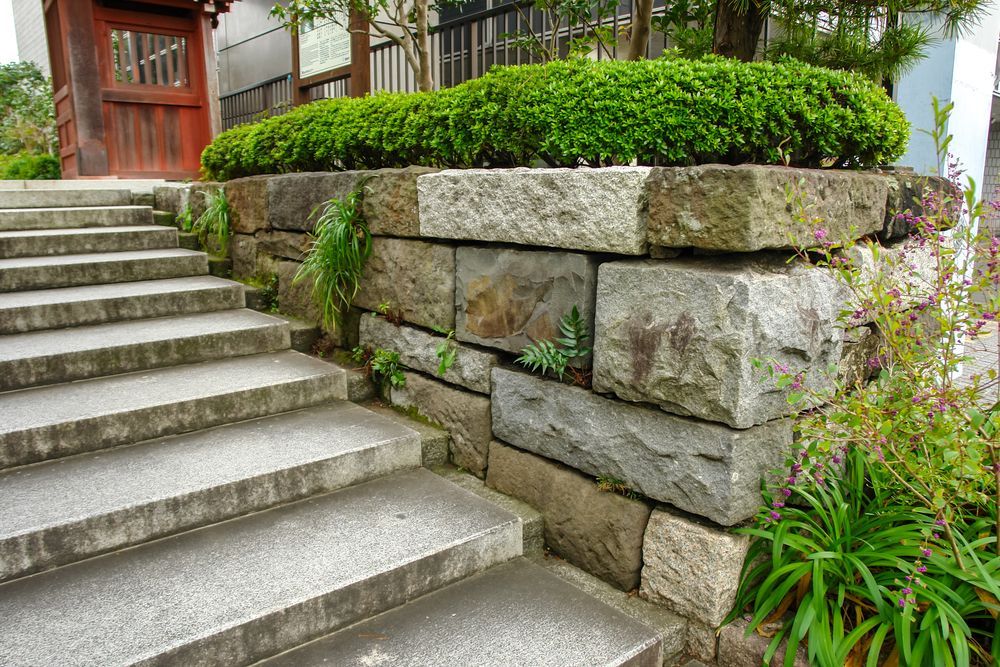
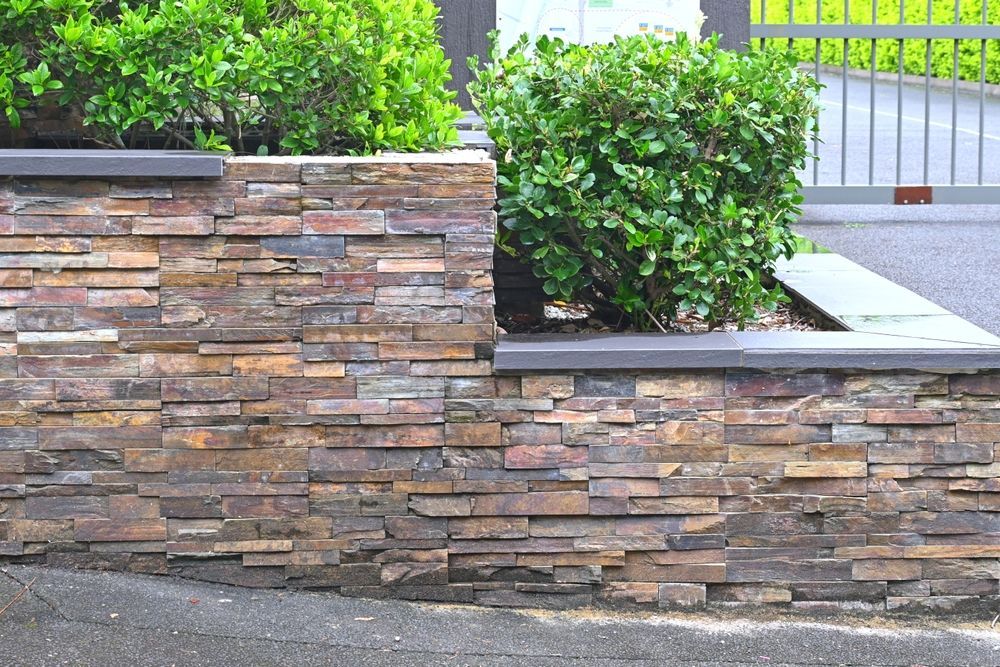
Retaining wall installation in Dubuque begins with site excavation and base preparation to support the weight of the wall and the soil behind it. You will see leveling equipment, compacted gravel, and interlocking blocks or stone units stacked in rows that follow the natural contour of your property. Drainage features are installed behind the wall to prevent water buildup that could shift the structure over time.
Once the wall is complete, you will notice that previously sloped or unstable areas now have a level surface above or below the wall. Soil no longer slides toward walkways or foundation edges, and water drains in a predictable direction. The area behind the wall can be planted, sodded, or prepared for other landscape use.
Retaining walls can also be used to create tiered garden beds, support patio installations, or define property boundaries on sloped lots. Hoffman Lawn Care, LLC works with a range of materials and can replace aging or failing walls that no longer provide adequate support. The installation process varies depending on wall height, soil type, and site access.
You likely have a few questions before moving forward
Retaining wall projects involve site-specific factors that affect material choice, timeline, and cost, so it helps to know what applies to your property before scheduling work.
Hoffman Lawn Care, LLC provides retaining wall design, installation, and replacement services for properties throughout Dubuque that require soil control or elevation management. Site evaluations include recommendations based on your terrain, drainage patterns, and intended use of the space.